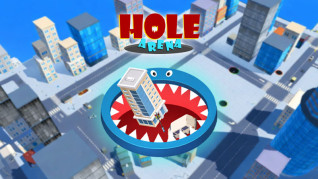
Agar City is a fast-paced multiplayer survival game where you control a small cell in a city-themed arena. Your goal is simple: eat smaller cells, avoid bigger ones, and grow as large as possible. Unlike many classic agar-style games, this game adds a more urban map feel and faster movement pacing, making matches more chaotic and aggressive.
Objective: Grow your cell by consuming smaller objects and players
Controls: Move your mouse / swipe to navigate
Core loop: Eat → Grow → Avoid bigger players → Dominate leaderboard
The gameplay is instant—no tutorial needed. You spawn small and must quickly decide whether to play it safe or aggressively expand.
1. Don’t rush eating at the start
Many beginners die early because they chase food aggressively. Stay near medium-density zones first.
2. Use the “edge movement” strategy
Move around the map edges instead of the center. Fewer large players hunt there, giving you safer growth.
3. Split only when necessary
Splitting makes you faster but vulnerable. Only split when you are 100% sure you can secure a kill.
4. Predict player movement, not position
Advanced players don’t move randomly. Watch patterns before chasing—this increases the survival rate significantly.
5. Fake retreat to trap enemies
One underrated trick: pretend to run away, then quickly turn and absorb overconfident players chasing you.
When playing Agar City, the most noticeable feeling is pressure from all directions. Unlike slower agar games, matches here feel more aggressive due to tighter space and faster encounters.
At first, it feels chaotic and unfair—bigger players dominate easily. But after a few matches, you start to understand spacing and timing. The “flow state” happens when you chain multiple safe eats and suddenly climb the leaderboard.
One issue I noticed is occasional overcrowding in central zones, which can lead to quick elimination if you’re not careful.
Overall, the game rewards patience and positioning more than pure speed.
Agar City is a modern twist on the agar survival genre. It keeps the simplicity of classic IO games but adds faster pacing and more competitive pressure. It’s easy to learn but surprisingly deep once you start mastering movement and prediction.